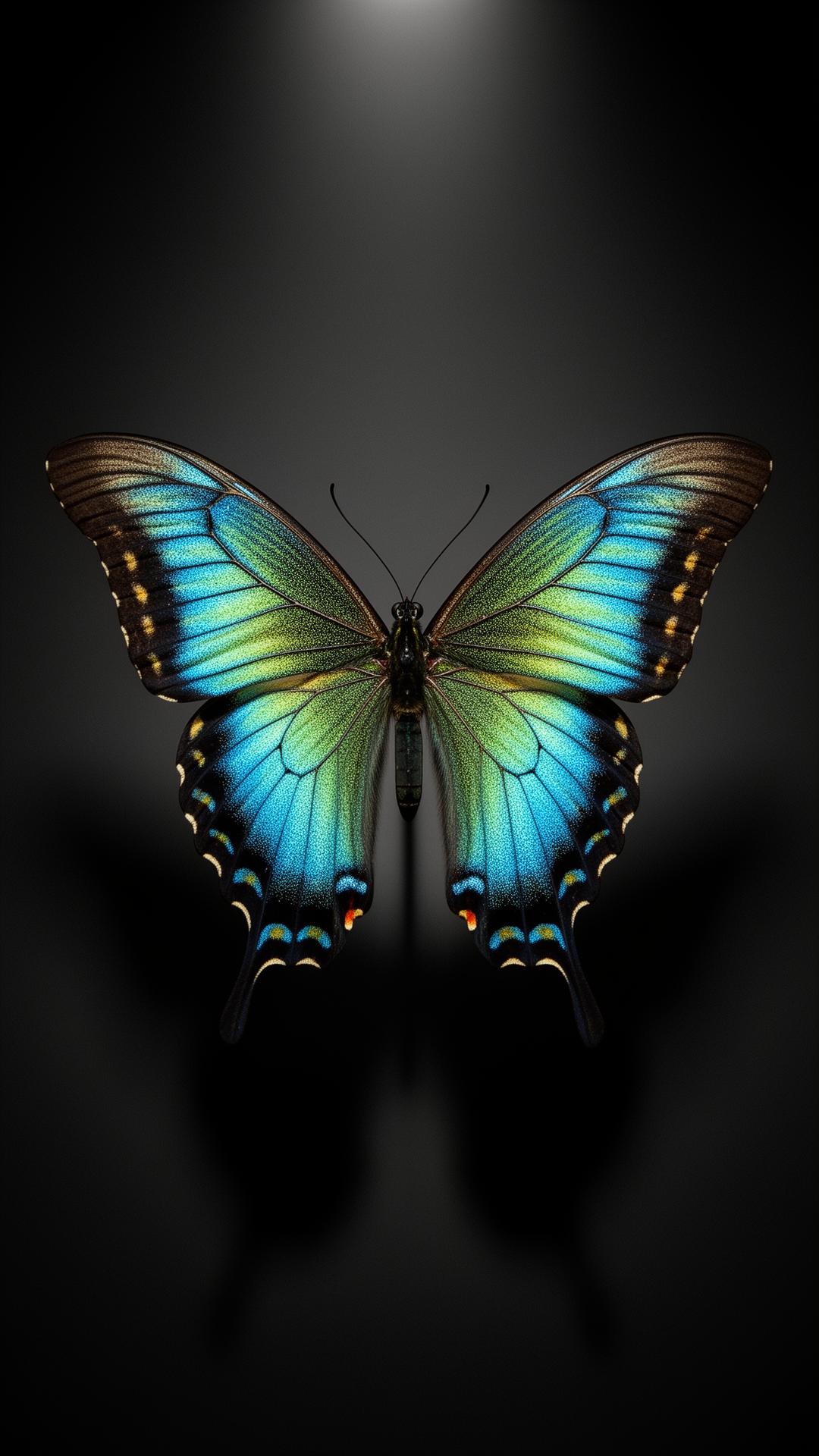
A wonderful
world of insects.
One million described species. Five to thirty million still unnamed. This is Zack's cabinet of curiosities — a quiet, careful walk through the most diverse group of animals ever to crawl, swim, or take to the air.
About the collection
Insects are the only invertebrates to have evolved true powered flight — and for that reason alone, they have inherited the Earth.
Gallery II
The Orders
Thirty currently recognized orders divide Class Insecta. All sixteen featured in Zack's cabinet appear below — together they account for the overwhelming majority of every insect on the planet.
Blattodea
Cockroaches & Termites
Flattened oval body. Long antennae. Leathery forewings (tegmina) cover membranous hindwings in roaches. Termites are now classified within Blattodea — they are essentially social, wood-eating cockroaches.
Hemimetabolous · Variable · 11 families
Open specimen →
Coleoptera
Beetles
Hardened forewings (elytra) cover membranous hindwings and meet in a straight line down the back. Chewing mouthparts. The largest order of organisms on Earth.
Holometabolous · Winged · 180 families
Open specimen →
Dermaptera
Earwigs
Pincer-like CERCI at the rear of the abdomen (forceps). Short leathery forewings that cover intricately fan-folded hindwings. Mothers display rare maternal care of eggs.
Hemimetabolous · Variable · 12 families
Open specimen →
Diptera
True Flies & Mosquitoes
Only ONE pair of functional wings — hindwings reduced to balancing organs called HALTERES. Larvae often legless maggots.
Holometabolous · Winged · 160 families
Open specimen →
Hemiptera
True Bugs, Cicadas, Aphids, Leafhoppers
Piercing-sucking mouthparts forming a beak (rostrum) tucked under the body. In Heteroptera, forewings are half-leathery, half-membranous (hence 'hemi-ptera'). Wings overlap when folded (vs Coleoptera).
Hemimetabolous · Variable · 140 families
Open specimen →
Hymenoptera
Bees, Wasps, Ants & Sawflies
Two pairs of membranous wings hooked together by tiny hooks (hamuli). Most have a constricted 'wasp waist' between thorax and abdomen. Females often have a sting (modified ovipositor). Highly social in many groups.
Holometabolous · Variable · 90 families
Open specimen →
Lepidoptera
Butterflies & Moths
Wings covered in tiny overlapping scales that rub off as powder. Long coiled proboscis. Larvae are caterpillars. Antennae clubbed in butterflies, feathery or thread-like in moths.
Holometabolous · Winged · 140 families
Open specimen →
Mantodea
Praying Mantises
Triangular head with huge compound eyes that can swivel 180°. Elongated prothorax. Raptorial forelegs held in 'prayer' position with sharp spines for grasping prey. Excellent camouflage.
Hemimetabolous · Variable · 15 families
Open specimen →
Megaloptera
Dobsonflies, Alderflies, Fishflies
Large soft-bodied insects with two pairs of equal, heavily-veined wings held tent-like. Predatory aquatic larvae (HELLGRAMMITES) are top-tier fish bait. Male dobsonflies have enormous saber-like mandibles used in mating displays.
Holometabolous · Winged · 2 families
Open specimen →
Neuroptera
Lacewings, Antlions, Owlflies
Two pairs of equal-sized membranous wings with elaborate net-like venation. Predatory both as larvae and adults. Larvae often have huge sickle-shaped mandibles.
Holometabolous · Winged · 17 families
Open specimen →
Odonata
Dragonflies & Damselflies
Two pairs of large, equally-sized membranous wings with intricate venation. Enormous compound eyes. Long thin abdomen. Aquatic nymphs are voracious predators.
Hemimetabolous · Winged · 33 families
Open specimen →
Orthoptera
Grasshoppers, Crickets, Katydids
Greatly enlarged hind legs for jumping (saltatorial). Leathery forewings cover folded hindwings. Most males produce sound by stridulation. Chewing mouthparts.
Hemimetabolous · Variable · 28 families
Open specimen →
Phasmatodea
Stick & Leaf Insects
Extreme body elongation (stick insects) or flattened leaf-mimicry (leaf insects). Some of the longest insects on Earth — up to 64 cm.
Hemimetabolous · Variable · 14 families
Open specimen →
Psocodea
Booklice, Barklice & Parasitic Lice
Combines former Psocoptera (free-living booklice/barklice) with Phthiraptera (parasitic lice on birds & mammals). Tiny, soft-bodied, wingless or with two pairs of membranous wings.
Hemimetabolous · Variable · 30 families
Open specimen →
Siphonaptera
Fleas
Wingless. Laterally compressed (flattened side-to-side) for navigating through host fur/feathers. Spectacular jumping legs. Piercing-sucking mouthparts. Adults are obligate blood feeders on warm-blooded hosts.
Holometabolous · Wingless · 16 families
Open specimen →
Zygentoma
Silverfish & Firebrats
Wingless. Three tail filaments approximately equal in length. Flattened, tapered body covered in silvery scales. Compound eyes small or absent. Fast, sinuous movement.
Ametabolous · Wingless · 5 families
Open specimen →
Gallery III
Two ways
of becoming.
Holometabola
Complete metamorphosisegg → larva → pupa → adult
Beetles, flies, butterflies, bees, wasps, ants, fleas. The larva and adult often inhabit entirely different worlds.
Hemimetabola
Incomplete metamorphosisegg → nymph → adult
Grasshoppers, mantids, true bugs, dragonflies, mayflies. The young are miniature versions of the adult — wingless, but already themselves.
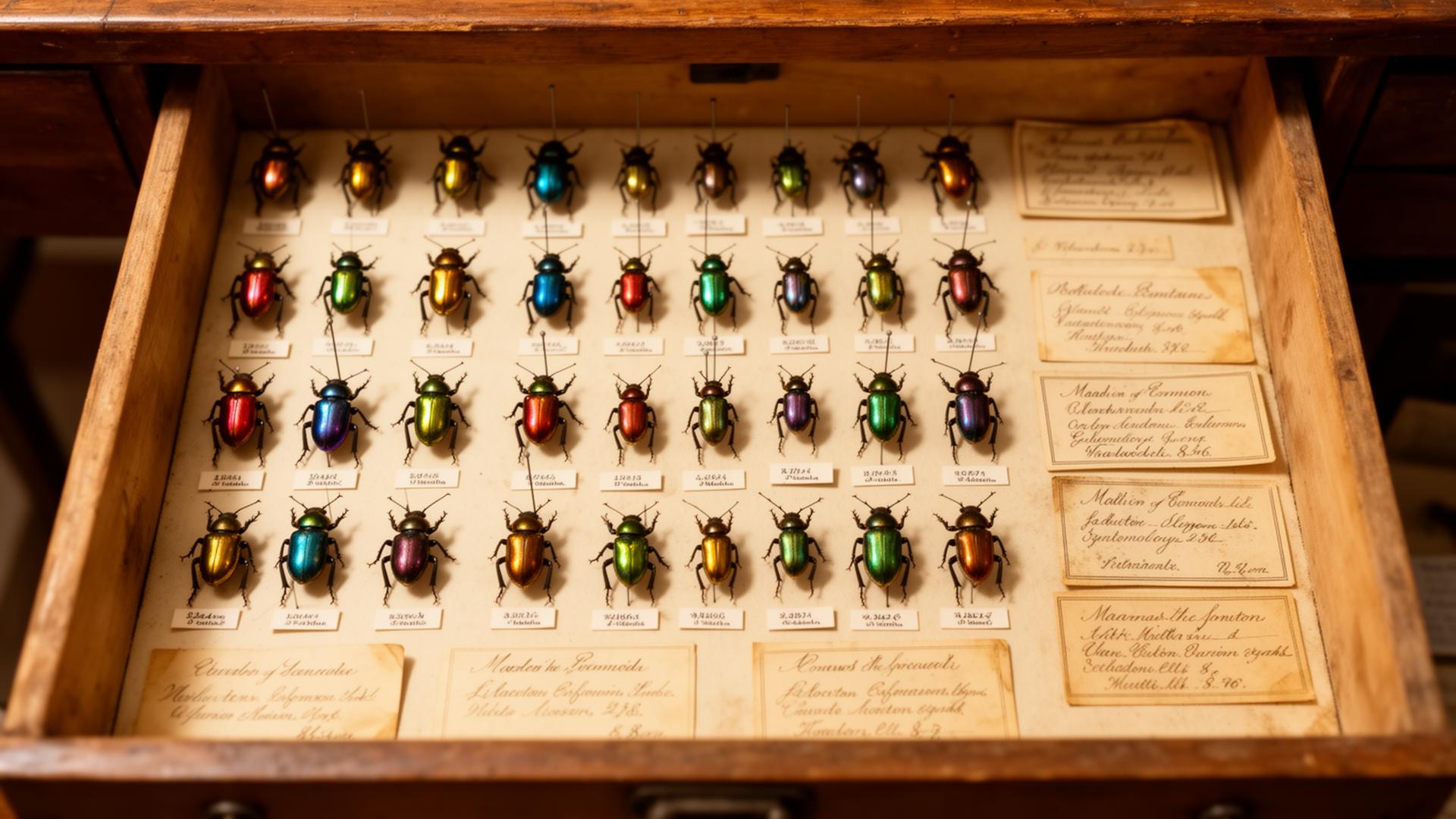
Gallery IV
Species Highlights
A small, deliberate selection from the species file. Tap a specimen to open its card — and save the ones you love to your collection.
Gallery V
Where to look next.
The reference desk. A directory of the most trusted entomology databases, citizen-science portals, image libraries, and historical archives on the open web — the same sources Zack returns to again and again.
GBIF
Worldwide occurrence records aggregated from museums and citizen scientists.
iNaturalist
Field observations and crowd-verified identifications across every continent.
BugGuide
The definitive identification archive for the insects of North America.
Encyclopedia of Life
A single page for every known species, drawn from trusted databases.
Biodiversity Heritage Library
Centuries of taxonomic literature and hand-engraved color plates, digitized.
Catalogue of Life
The accepted master index of every described species on Earth.